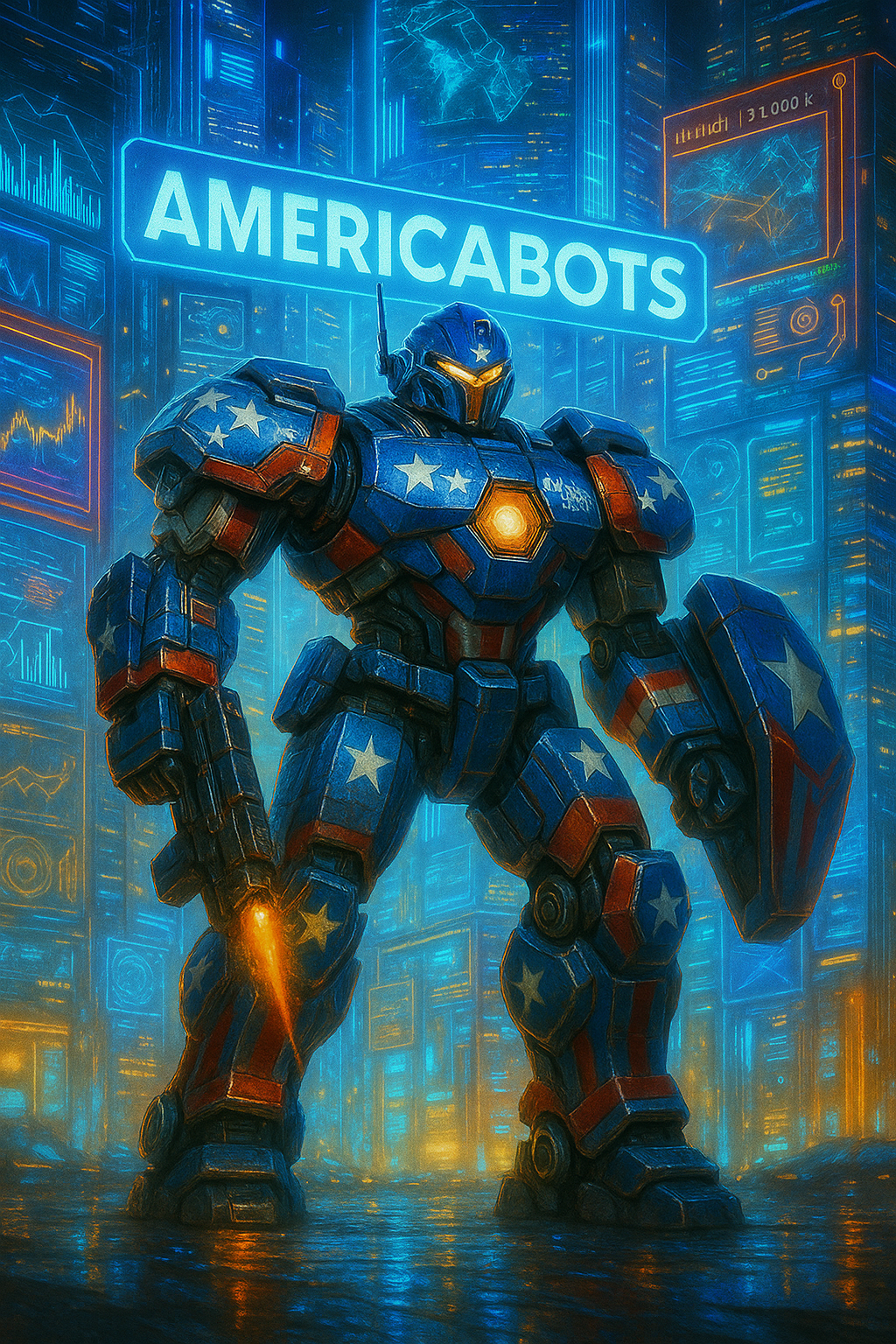
1. A New Battlefield, Built on Algorithms
For centuries, power on the battlefield was measured by steel, gunpowder, and manpower. But in 2025, that equation has changed forever. The new arms race is not about missiles — it’s about machine intelligence.
Across the globe, nations are developing autonomous defense and attack robots capable of acting faster, more precisely, and with fewer human casualties. The era of “smart warfare” is here — and America stands at its crossroads.
2. The Rise of Defense Bots: Protect, Predict, Prevent
Modern defense robots no longer just follow orders — they anticipate threats.
Systems like AI-driven sentry units, autonomous drones, and mobile patrol robots can now detect motion, facial profiles, or unusual patterns before a human ever notices.
The Pentagon has quietly expanded its AI defense programs to reduce soldier risk and strengthen perimeter security. These machines don’t sleep, panic, or hesitate. They’re designed to defend before danger even arrives.
This new generation of defense bots merges data from satellites, sensors, and surveillance AI into one unified command layer — where reaction time is measured in milliseconds. The mission is clear: protect human life by letting robots take the first hit.
3. Attack Robots: Speed Without Emotion
If defense robots represent the shield, attack robots are the sword.
From aerial drones capable of coordinated strikes to ground-based assault units that can neutralize threats autonomously, AI is moving from assisting soldiers to operating independently in critical moments.
But make no mistake — these machines aren’t built to replace morality. They’re built to amplify precision. The modern combat algorithm can distinguish between a hostile signal and a friendly unit faster than a trained eye ever could.
In controlled environments, AI targeting systems already outperform humans by 40% in identification accuracy. And as machine learning evolves, the question isn’t “Can robots fight?” — it’s “Can humans keep up?”
4. Ethical Frontlines: Who Pulls the Trigger?
With great power comes great responsibility — and perhaps, great fear.
When a robot makes a split-second decision to defend or destroy, who is accountable? The engineer who wrote the code? The general who deployed it? Or the machine that executed the action?
The U.S. and allies are now pushing for AI ethics in warfare, a global framework that limits how much autonomy a robot can have in lethal situations. The core principle: humans must remain in control.
However, the reality is complex. In cyber warfare or space defense, response windows are sometimes shorter than human reaction time. In those scenarios, robots may have to act before asking — and that’s where ethics collide with necessity.
5. America’s Strategic Advantage
While some nations focus on raw manufacturing power, the U.S. leads in AI software and robotics intelligence — the brains behind the bots.
Companies across Silicon Valley, Boston, and Austin are now partnering with defense agencies to create dual-use technologies — robotics that can defend a country or serve a hospital, depending on their programming.
This fusion of private innovation and national security is building what analysts call “America’s robotic shield.”
And as AI grows smarter, that shield could become a decisive factor in global power balance.
Ultimately, the future of warfare won’t be about destruction — it will be about decision-making. The country that commands the fastest, fairest, and most ethical machines… wins without firing a single shot.
6. The Future of Peace Through Machines
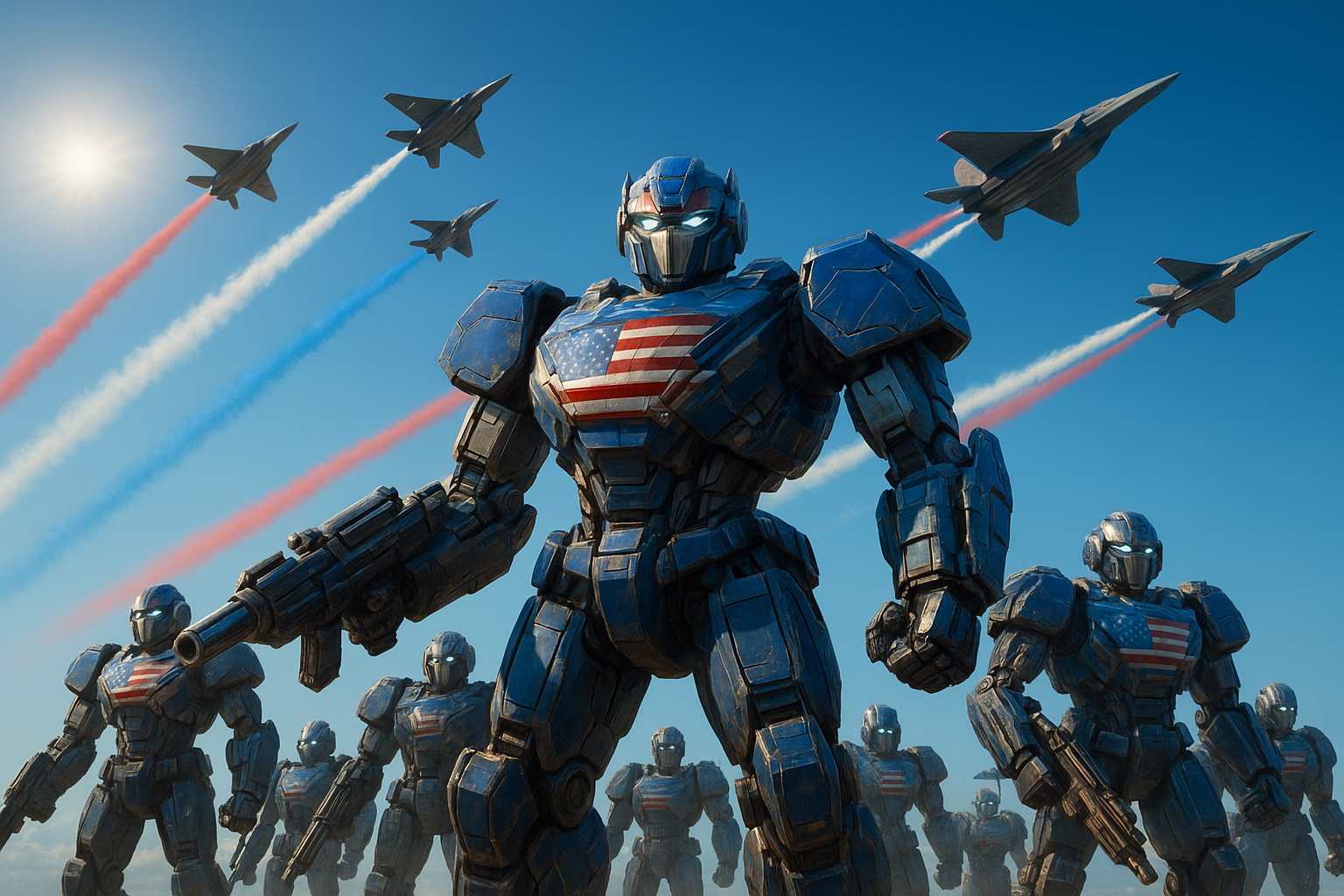
It’s ironic, yet poetic — robots built for war may one day preserve peace better than humans ever could. By removing emotion, fatigue, and political bias from the battlefield, AI could usher in a new kind of stability — one defined by predictive defense and precision deterrence.
In this vision of the future, humans no longer die in wars. Algorithms do the fighting, and diplomacy happens through data.
The world may not be ready for it yet — but AmericaBots will be watching as that future unfolds.